Portable reflection folio
Accordion pockets sort colour-coded sheets for emotional weather, partner sync notes, and optional pet disruption logs when animals share bedrooms.
Downshift · education only
Medical Disclaimer: These are educational relaxation techniques only. Not medical treatment. Consult healthcare professionals for medical conditions.
Relaxation here means lowering cognitive switching costs through slow motion, breath pacing references drawn from mindfulness literature, and tactile props that never claim therapeutic cures. Participation is discretionary; discontinue practices that feel unsafe and consult regulated health providers whenever symptoms concern you.
Facilitators articulate differences between pleasant fatigue and warning signs that belong in clinical care. Open doors, adjustable seating, and fragrance pauses keep the studio adaptable for varied nervous systems without turning the room into a silent retreat centre.
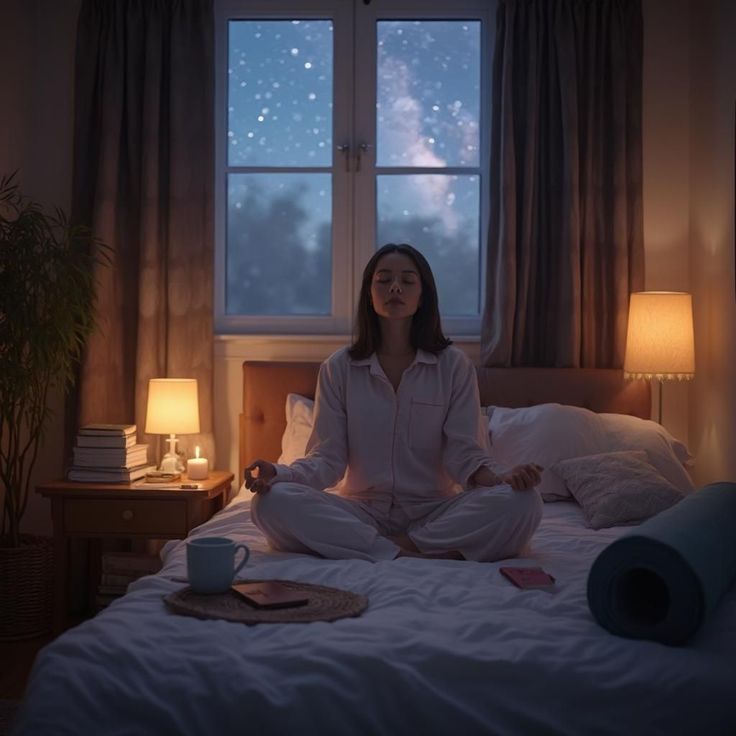
Layer sequencing
Each layer includes spoken reminders that relaxation education is not emergency mental health services. Crisis lines and local clinicians remain the correct pathway when harm thoughts, severe panic, or unexplained cardiorespiratory symptoms appear.
Slow elevations pair with adjustable metronome audio; citations on muscle tension variability stay on-screen for readers who want primary sources afterward. Chairs or standing positions both work—floor sitting never mandatory.
Ethically sourced blankets rotate through the room. Weight choice remains personal experimentation without implying uniform comfort. Facilitators share laundering tips for humid weeks so fabrics stay fresh between classes.
Conservative volume with open-door policy; headsets optional for auditory sensitivity. Participants may leave the room anytime without explaining beyond a simple hand signal we rehearse upfront.
Three bullet prompts capture sensory residue before people travel home—no archiving unless they choose photographed pages for personal use.
Notebook motifs
We metaphorically borrow “weather” language for moods without suggesting meteorology diagnoses anything. Households annotate what felt supportive versus overstimulating, then tuck pages into portable folios shipped from the contact desk if they order tactile kits mail-order across Aotearoa.
Accordion pockets sort colour-coded sheets for emotional weather, partner sync notes, and optional pet disruption logs when animals share bedrooms.
Swatches describe texture vocabulary—gritty, silky, clingy—so partners can shop for bedding without guessing subjective language.
Blank axes invite wobbly marker lines illustrating bass drops, refrigerator cycles, or rain on iron roofs peculiar to coastal nights.
Accessibility tuning
Folding chairs replace floor cushions whenever hip mobility warrants it. Larger cushions with washable covers rotate through cleaning logs so organisers can sanitise cloth between tactile rotations without scent bombs.
Scripts include fragrance-free evenings when advertised ahead of time, plus instructions for signalling facilitators silently if perfumes from neighbouring corridors drift inside. Volunteers stage water carafes with plain cups—not sugary defaults—respecting hydration preferences discussed in clinician letters participants bring voluntarily.
Attendees leave with “bridge cards” linking tonight’s movements to the sleep system matrix: note which environmental lever might reinforce calm—dimmer scenes, cooler airflow, softer sheets—without promising automatic outcomes.
Facilitators invite people to email anonymised feedback about pacing, yet remind everyone that individual responses vary seasonally and hormonally; no graph on this site represents their private body.
Relaxation marketing sometimes blurs into medical promises. We restate boundaries before each module: facilitators are educators, not diagnosticians; breathing references cite general wellness literature rather than disease treatment pathways; participants may decline touch-based demonstrations entirely.
Sharing circles use first names only with consent cards signed before recording devices enter the room—even then, recordings seldom happen outside specialised corporate trainings announced months ahead.
Guardians accompany minors; pacing shortens automatically when younger brains enter the studio. Scripts avoid fear-based language about “screen addiction,” focusing instead on collaborative plans families co-author.